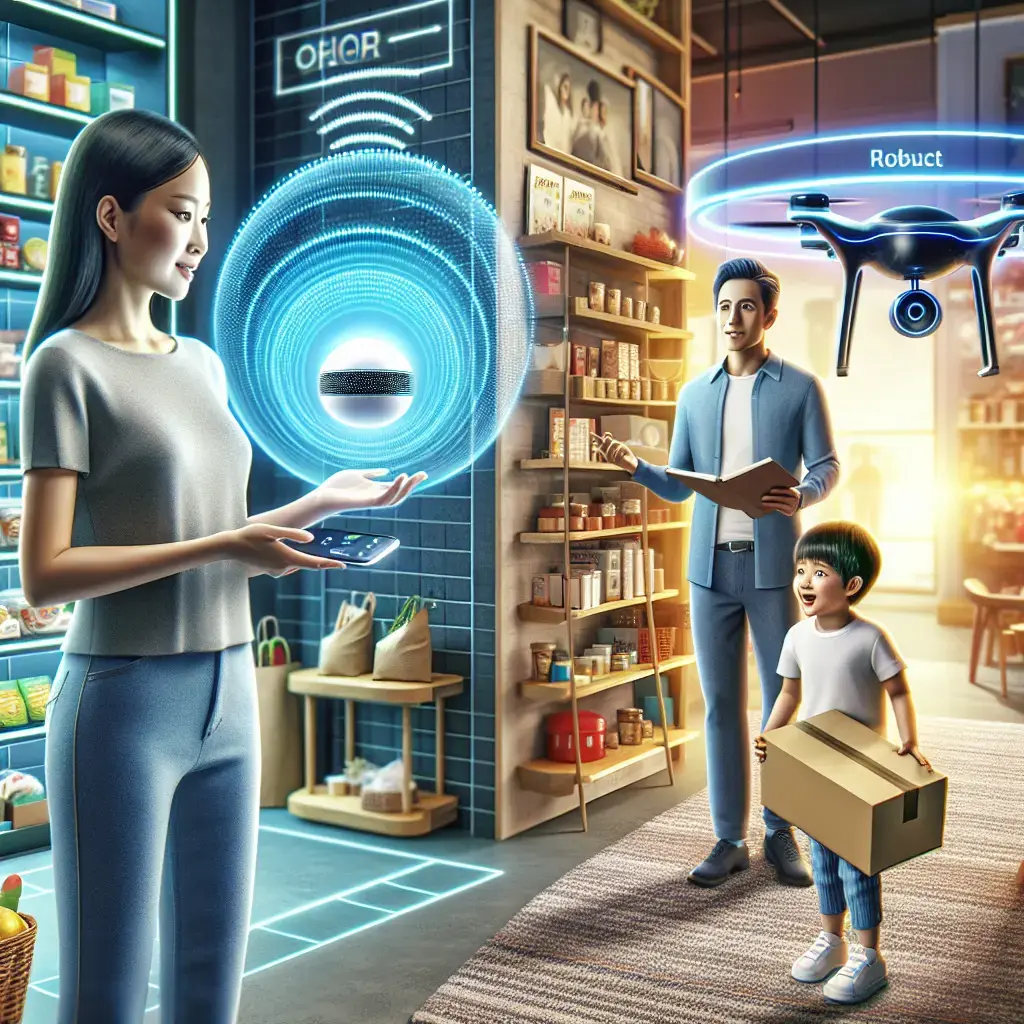
The Revolution of Voice-Activated Shopping
In today's fast-paced world, where convenience and efficiency are key, voice-activated devices are revolutionizing the future of shopping. Voice commerce is transforming consumer habits and redefining the retail landscape. Imagine ordering groceries from the comfort of your home using a digital shopping assistant like Alexa or Google Assistant, or restocking favorite items with a simple voice command. This is the new norm of smart home shopping.
Exploring Voice Commerce Trends
Voice technology shopping is more than a fleeting trend; it's a pivotal part of AI in retail that elevates consumer engagement and satisfaction. As voice-activated shopping gains traction, retailers are focusing on voice search strategies to cater to tech-savvy customers who prioritize efficiency over tradition. The integration of e-commerce voice technology into daily life provides retailers with opportunities to connect with consumers in more personalized ways, enhancing the overall shopping experience.
The Future of Shopping with Voice-Activated Devices
Voice-activated devices are significantly influencing the evolution of shopping, ushering in a new era in retail. These technologies promise to transform consumer experiences, making them more personalized, convenient, and efficient.
The Rise of Voice-Activated Shopping
Voice commerce, driven by digital shopping assistants like Alexa and Google Assistant, has become a cornerstone of AI in retail. These smart speaker shopping devices enable hands-free shopping from home, seamlessly integrating into daily life. A simple voice command can order groceries or restock items, highlighting the shift towards smart home shopping. According to a report by Statista, the voice commerce market is expected to reach $40 billion by 2024.
Opportunities and Challenges in Voice Technology Shopping
While voice technology shopping offers numerous benefits, it also presents certain challenges. For example, a grocery chain recently faced a surge in fraudulent coupons due to social media exploitation. This underscores the need for retailers to enhance security measures and verify digital transactions effectively. As businesses adapt, incorporating advanced AI solutions to detect and mitigate fraud becomes essential.
AI in Retail: Enhancing Consumer Engagement
AI-driven voice-activated devices are not just about convenience but also about enhancing consumer engagement. By understanding user intent—a concept emphasized by SEO experts—retailers can deliver more relevant content and recommendations through voice search strategies. Google's algorithms, detailed by Search Engine Journal, prioritize content that closely aligns with user intent, improving the overall shopping experience.
Case Study: Shopping with Alexa and Google Assistant
The popularity of shopping with Alexa and Google Assistant is evident as more consumers turn to these devices for everyday purchases. Amazon's integration of Alexa into its e-commerce platform demonstrates a strategic move to capture voice shopping trends. Similarly, Google Assistant's capabilities in handling complex queries and providing personalized suggestions are redefining future retail technology.
Innovations in Voice-Controlled Shopping
Voice-controlled shopping systems are advancing, offering tailored recommendations that align with modern lifestyles. Companies like Walmart have embraced this technology, allowing customers to add items to their cart simply by speaking to their smart devices. Such innovations underscore the shift towards a more interactive and intuitive shopping experience.
Addressing the Competition: Google vs. Microsoft Bing
In the competitive search engine landscape, Google and Microsoft Bing continually refine their AI capabilities to enhance voice search functionalities. Understanding this competition, as explored by Search Engine Journal, is crucial for retailers optimizing their voice commerce strategies.
Embracing Future Retail Technology
The integration of voice-activated devices into retail will continue evolving. Innovations like self-driving vehicles for grocery deliveries showcase another layer of retail technology advancement. For instance, a recent initiative in Detroit introduced autonomous shuttles for seniors, blending convenience with cutting-edge technology.
Conclusion: Embracing the Voice Commerce Revolution
The future of shopping with voice-activated devices is bright and full of potential. Key takeaways from our exploration include:
Voice Commerce's Ascendancy: With smart assistants like Alexa and Google Assistant leading the charge, voice commerce is becoming foundational to AI in retail. The convenience of hands-free shopping at home is set to significantly expand the market.
Opportunities and Challenges: While voice shopping offers unparalleled convenience, it also brings challenges like security vulnerabilities. Retailers must invest in robust AI solutions to ensure a secure shopping experience.
Enhanced Consumer Engagement: Leveraging AI allows retailers to understand user intent better and offer more personalized content, aligning with modern SEO practices.
Case Studies and Innovations: Integration of voice technology into platforms like Amazon and Google highlights the trend of voice-controlled shopping, with companies like Walmart setting new standards.
Competitive Dynamics: The competition between Google and Microsoft Bing emphasizes the importance of refining voice search capabilities for optimized strategies.
As we look ahead, integrating voice-activated devices promises to redefine consumer interactions with retailers. From autonomous deliveries to personalized experiences, innovation potential is limitless. Are you ready to embrace this transformative era of shopping? Share your thoughts or insights on this exciting development in the comments below. Let's continue the conversation and explore shaping the future of retail together.
For more insights on e-commerce voice technology, visit reputable sources like Forbes or VentureBeat, where industry experts discuss ongoing developments in this exciting field.
Author: David Langston